
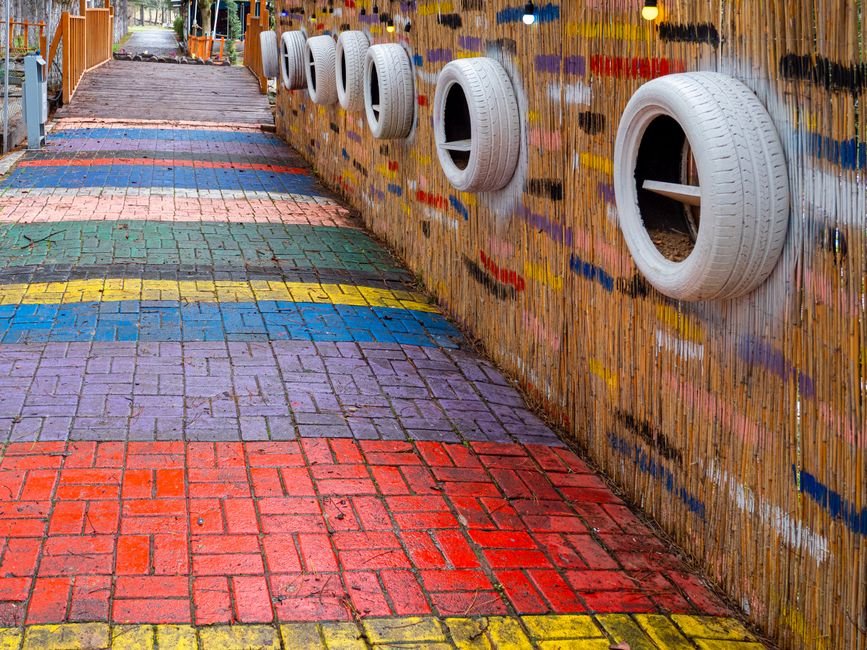
If you’re searching for brick walkway installation near you, you’re probably thinking about upgrading your home’s outdoor space. A brick walkway is one of those projects that actually delivers on its promise: it looks great, lasts for years, and adds real value to your property. But before you call a contractor, you should understand what the process actually involves and what separates a solid installation from a rushed job.
What Brick Walkway Installation Actually Involves
Brick walkway installation isn’t just slapping some pavers down on dirt. It’s a multi-step process that starts long before the first brick goes down.
Related: Paver Patios Boston Massachusetts: Design & Installation Guide
Related: Paver Walkway: Installation Guide & Design Tips
Related: Custom Patio Design and Installation: A Complete Guide
Related: Tuck Pointing Chimney Repair Boston: A Homeowner’s Guide
Related: What Is Tuckpointing? A Homeowner’s Guide
Related: Brownstone Restoration: A Homeowner’s Guide to Repairs
Related: Asphalt Paving Driveway Boston: Complete Guide
Related: Basement Waterproofing Boston Contractors: A Complete Guide
First comes site preparation. The contractor marks out the walkway, removes the existing soil or grass, and digs down to the right depth. This depth matters because it affects how well your walkway drains and how long it lasts. Most professionals dig down 4 to 6 inches depending on your local climate and soil conditions.
Next, they add a base layer, usually gravel or crushed stone. This base is compacted carefully because it supports everything above it. A weak or uneven base is the number one reason walkways settle, crack, or develop low spots where water pools.
Then comes the sand layer. This sits between the base and your bricks and allows for minor adjustments as each brick goes down. It’s not a thick layer, usually just an inch or so, but it makes installation much cleaner and helps pavers sit level.
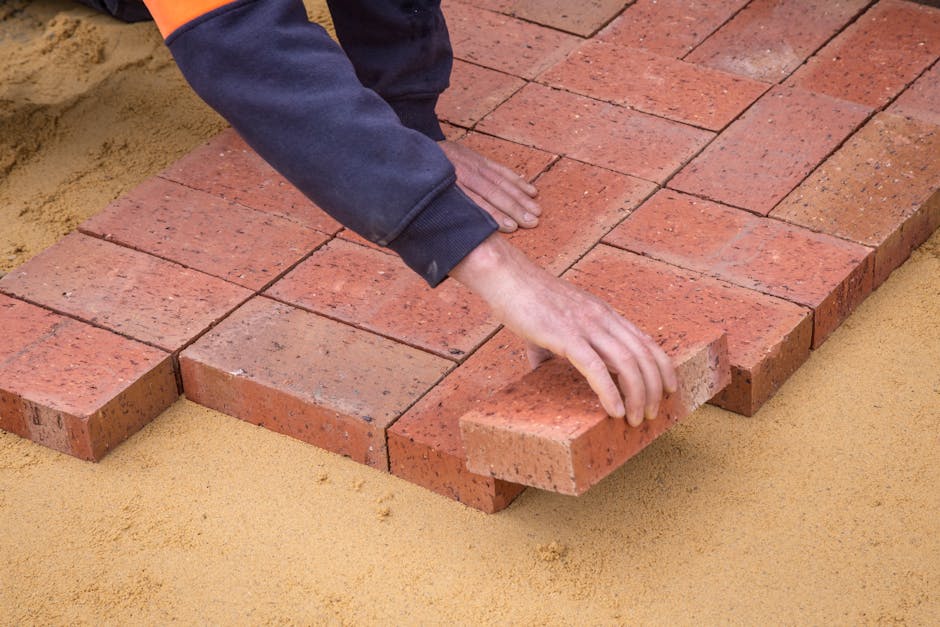
Finally, the bricks themselves are laid in a pattern you choose. The contractor taps each one down, checks for level, and adjusts the sand underneath as needed. Once all the bricks are in place, sand is swept into the joints between them. This sand locks the bricks together and keeps them from shifting.
If you want to skip the hassle of managing this project yourself, J&A Masonry and Construction MA handles the entire installation from start to finish so you can focus on planning how you’ll use your new walkway.
Choosing Your Brick Walkway Material
Not all bricks are the same, and this choice affects both how your walkway looks and how it performs.
Traditional clay bricks are the classic choice. They’re durable, come in warm colors, and age beautifully. They’ve been used for centuries because they actually work. Clay bricks are dense and weather well, especially in climates where frost is common.
Concrete pavers are another option. They’re often less expensive than clay, come in more colors, and offer decorative options like stamped finishes. They’re also durable, though some people find them less elegant than traditional brick. Stamped concrete walkways can look really impressive if you want something with more visual flair.
Natural stone pavers, like flagstone or bluestone, give you a premium look. They’re durable and age gracefully, but they tend to cost more and require a bit more care during installation because each piece is slightly different.
For your situation, think about your home’s style, your budget, and what you’ll use the walkway for. A high-traffic path between your driveway and front door needs something really durable. A decorative path through a garden can be lighter on performance requirements.
How to Find Quality Installation Near You
When you search for brick walkway installation near you, you’ll probably find a bunch of options. The real question is how to spot a contractor who actually does good work.
First, ask to see examples of completed projects. A contractor worth their salt has photos or can point you to actual installations in your area. You want to see walkways that are level, with even joints and no obvious gaps or settling. If they hesitate to show you work, that’s a red flag.
Second, ask about their base preparation process specifically. This is where most contractors cut corners. If they’re vague or brush past this part of the conversation, they probably aren’t digging deep enough or compacting the base properly. A good contractor will explain their base layer depth and compaction methods without you having to ask.
Third, check whether they offer a free estimate. Most legitimate contractors will come out, look at your space, and give you a ballpark price before any work starts. This visit also lets you judge whether they listen to what you want or if they’re just trying to upsell you.
Finally, ask about timeline and cleanup. A professional installation takes time because rushing it leads to problems. If someone quotes you a job that sounds impossibly fast, ask questions. And make sure they’re committed to cleaning up debris and leaving your property in good shape.
Cost Factors for Brick Walkway Installation
The cost of your brick walkway depends on several things, and it’s worth understanding what affects the price.
Like what you read?
Size is the obvious factor. A small walkway costs less than a long one stretching across your entire property. Square footage is usually how contractors calculate this.
Material choice matters too. Clay brick costs differently than concrete pavers, and natural stone carries a premium. If you want decorative finishes like stamped concrete, that adds time and complexity.
Site conditions affect price as well. If your yard has excellent drainage and solid soil, installation is straightforward. If you have poor drainage, clay soil, or existing pavers to remove, contractors have to do extra work. Sometimes stabilizing soil or adding additional drainage layers becomes necessary.
Local labor costs and contractor experience also factor in. An experienced contractor with a solid reputation might charge more, but you’re paying for quality work and accountability.
The best move is to get a free estimate from a few contractors in your area. They’ll assess your specific situation and give you pricing based on what your project actually requires. When comparing quotes, make sure you understand what’s included: site prep, base installation, material, labor, and cleanup.
Installation Timeline and What to Expect
Brick walkway installation isn’t instant, and understanding the timeline helps you plan.
Most walkway projects take a few days to a week, depending on size and complexity. A small front walkway might be done in 2 or 3 days. A longer path or one with intricate patterns takes longer.
Weather affects timing. Contractors can’t install during heavy rain because it disrupts the base preparation and sand layers. If you’re getting your walkway installed, expect possible delays if weather doesn’t cooperate.
After installation, your walkway is technically walkable right away, but contractors usually recommend avoiding heavy foot traffic for a day or two while everything settles. The sand in the joints will shift slightly as the walkway adjusts, and sometimes contractors come back a week or two later to resweep sand and make minor adjustments.
Maintenance to Keep Your Walkway Looking Great
A well-installed brick walkway lasts for decades with minimal maintenance, but you do need to do some basic upkeep.
Sweep regularly to prevent debris from building up in the joints. This also helps you spot any developing issues early.
Clean with a hose or low-pressure washer occasionally. High-pressure washers can actually damage brick and dislodge sand from the joints, so use a gentle approach.
Resand the joints every few years. Over time, sand washes out or compacts, and adding fresh sand keeps everything locked together.
Address weeds or moss if they appear. They’re usually not a structural problem, but they look better when removed. A simple brush or light power wash handles most cases.
If you notice a brick settling or a low spot developing, have it checked sooner rather than later. Small issues are cheap to fix. Ignored problems can lead to drainage issues and more expensive repairs down the line.
Signs You Need a Professional for Your Walkway
Some people tackle walkway projects themselves, but honestly, professional installation is worth it. Here’s why.
Site preparation requires the right equipment and experience. Getting the base depth and compaction correct is harder than it looks, and mistakes show up years later when your walkway shifts or settles unevenly.
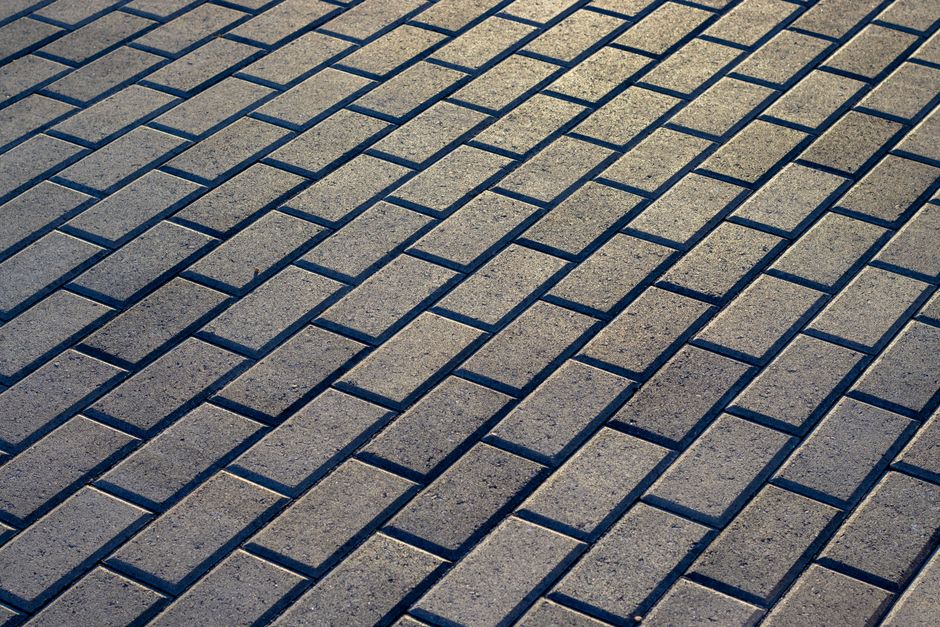
Level and alignment matter. A walkway that slopes gently for drainage and has perfectly even joints looks professionally done. If you’re off by even a small amount, it’s obvious.
Proper drainage prevents future problems. A professional knows how to slope your walkway slightly and position it so water drains away from your home’s foundation. Poor drainage leads to erosion, settling, and frozen walkways in winter.
If you’re thinking about this project, reach out to J&A Masonry and Construction MA for a free estimate. They handle the whole process so you get a walkway that actually lasts.
Questions to Ask Before Hiring
When you’re ready to move forward with brick walkway installation, make sure you ask your contractor the right questions.
Ask about base preparation depth and how they compact it. A good answer is specific: “We dig to X depth, add X inches of gravel, and compact it in layers with a plate compactor.”
Ask about their drainage approach. How will water shed off the walkway and away from your home?
Ask about timeline and whether weather delays are possible. Ask when they can start and get a realistic completion date.
Ask about warranty or guarantees. Do they stand behind their work? For how long?
Ask whether they’ll remove old pavers or clear the site, or whether you need to prep it first.
Ask for references or examples of recent work in your area. A contractor confident in their quality will have these ready.
People Also Ask
How long does a brick walkway last?
With proper installation and basic maintenance, a brick walkway easily lasts 20 to 30 years, and often much longer. The bricks themselves outlast the installation by decades. What matters is proper base preparation and drainage from the start.
Can you install a brick walkway over an existing concrete pad?
You can, but it’s not ideal. Most contractors prefer to remove the old concrete because it affects drainage and you lose control of the base. Laying brick directly on concrete also means you’re stuck with whatever slope or unevenness the concrete has. Fresh excavation and a proper base gives you a much better result.
What’s the difference between brick and pavers for a walkway?
Technically, bricks are pavers. But when people say “pavers,” they usually mean concrete or stone units. Brick specifically refers to clay bricks. Concrete pavers are often cheaper and come in more colors. Clay brick offers a classic look and excellent durability. Stone pavers are premium but require more individual attention during installation.
Do I need a permit for a brick walkway?
Requirements vary by town. Some municipalities require permits for any hardscape work, especially if it’s near property lines or affects drainage. Others only require permits for larger projects. Before you start, check with your local building department or ask your contractor. They usually know the local rules and can handle permitting if needed.
Like what you read?
3 thoughts on “Brick Walkway Installation Near Me: A Homeowner’s Guide”