
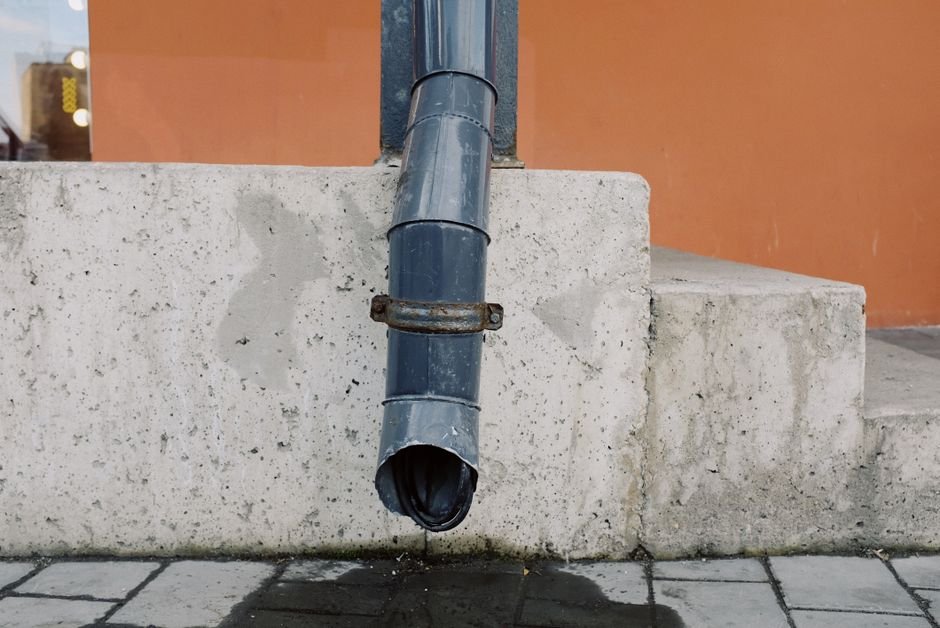
A french drain is essentially a trench filled with rock and a perforated pipe that channels water away from your home before it becomes a problem. If you’re dealing with wet basements, standing water in your yard, or water pooling around your foundation, a french drain installation might be exactly what you need.
What Makes a French Drain Work
The basic idea behind french drain installation is simple: gravity and slope do the heavy lifting. Water naturally wants to flow downhill, so a well-designed drain takes advantage of that.
Related: Custom Patio Design and Installation: A Complete Guide
Related: Patio Pavers Installation: Step-by-Step Guide
Here’s how it functions: water enters the trench through the gravel and perforated pipe, then flows along the slope you’ve created and exits at a lower point away from your home. No pumps required. No electricity needed. It’s a passive system that works 24/7, rain or shine.
Planning Your French Drain Installation Site
Before you even think about grabbing a shovel, you need to know exactly where the water problems are and where the water naturally wants to go.
Walk around your property after a heavy rain and watch where puddles form. Look for areas where water collects near your foundation, basement walls, or landscaping. That’s your clue that water is pooling instead of draining properly.
Next, trace the natural slope of your yard. Water will follow gravity, so your drain needs to run downhill from the problem area to a spot where the water can safely exit your property or be directed into a storm drain system.
Mark the trench route with chalk or spray paint before you start digging. This keeps you organized and helps you visualize whether the slope actually works.
Checking for Underground Utilities (Critical Step)
This is non-negotiable. Before you dig a single inch, you need to know what’s buried under your yard.
Call your local utility locating service in Massachusetts (or use the nationwide “Call Before You Dig” system) and request that they mark all underground lines: electric, gas, water, sewer, and telecommunications. Wait for the marks to show up on your property.
Hitting a gas line, electric cable, or water main isn’t just inconvenient and expensive—it’s dangerous. This step takes a few days but it’s absolutely worth it.
Measuring Trench Depth and Width
Your trench dimensions matter because they affect how much water the system can handle and how well it functions.
For most residential french drain installations, dig your trench approximately 18 inches deep. This depth gets you below the frost line in most of Massachusetts and places the drain where it can intercept groundwater effectively.
Width-wise, aim for 9 to 12 inches wide. This gives you enough room to lay down gravel, position your perforated pipe, and cover everything properly without overdoing it.
Deeper and wider drains handle more water, but they also cost more and require more digging. For typical basement water issues or moderate grading problems, 18 inches deep and 10 inches wide is a solid starting point.
Measuring Slope for Proper Drainage
The slope of your trench is what makes the whole system work. Without proper slope, water stalls instead of flowing away from your home.
Your trench should slope downward at a grade of at least 1/8 inch per foot. That means for every 8 feet of trench length, the end should be about 1 inch lower than the start.
To measure this accurately, use a long level and a measuring tape. Place the level on the bottom of your empty trench and read the bubble. Adjust until the level shows a slight downward slope, then measure the vertical drop over your horizontal distance. Do this check in several spots along the entire trench route to ensure consistent drainage.
If your property is relatively flat, you might struggle to achieve adequate slope naturally. In those cases, you may need to run the drain to a sump pit or dry well where water can collect and either drain into the ground or be pumped away. When slope is tight or your yard is nearly level, it’s worth consulting with J&A Masonry and Construction MA to evaluate whether a sump system makes sense for your situation.
Like what you read?
Choosing the Right Materials for Your French Drain
Not all rock is created equal when it comes to drainage systems. This is a common mistake homeowners make.
Use river rock (rounded stones) rather than white angular rock. River rocks have smooth surfaces that allow water to flow freely through them. Angular rocks have jagged edges that trap sediment and can eventually clog your drain system.
You’ll also need landscape fabric to prevent soil from filtering down into the gravel and clogging the perforated pipe. Lay this fabric along the bottom and sides of your trench before adding rock.
The perforated drain pipe itself should be 4 inches in diameter for most residential applications. The holes allow water to enter the pipe from all directions, which is what makes it effective at intercepting water moving through the soil.
Assembling Your French Drain Installation
Now that you’ve dug your properly sloped trench, marked utilities, and gathered materials, it’s time to build.
Start by laying landscape fabric along the bottom and up both sides of the trench. This barrier keeps soil out of your gravel and pipe.
Add a 2-inch layer of river rock on top of the fabric at the bottom of the trench.
Place your perforated drain pipe on top of that rock layer. The pipe should run along the full length of the trench in the direction of your slope.
Cover the pipe with 4 to 6 inches of river rock on all sides.
Fold the landscape fabric over the top of the rock to cap it off. This prevents soil from washing into the gravel layer.
Finally, replace topsoil and sod (or mulch, depending on your landscaping) over the fabric.
Handling Roof Water and Groundwater Together
Some homes benefit from a dual-pipe system that collects both roof water from gutters and groundwater from around the foundation.
You can run a second perforated pipe from your gutter downspout in a separate (or combined) trench alongside your foundation drain. Both pipes then route water away from your home in the same direction.
This approach is especially useful if you have both water seeping into your basement and water cascading off your roof during heavy rain.
Where Your Drain Water Goes
Your french drain needs an exit point. The trench can’t just end in a dead-end hole or the water will pool underground instead of draining away.
Ideally, the drain outlet terminates at a lower spot on your property at least 10 feet away from your foundation, or into a municipal storm drain system if your area has one and allows it.
If neither option works (your yard is too flat or too small), install a dry well—an underground pit filled with rock that allows water to percolate into the ground. Some homes use a sump pit with a pump that moves water to the street or storm drain.
When French Drain Installation Gets Complicated
Some situations require professional expertise beyond a DIY approach. If your property is very steep, very flat, has complex grading, or you’re unsure about slope and drainage math, it’s worth getting advice from someone who does this regularly.
Existing underground structures, hardscape like patios or driveways, and properties with multiple problem areas can also complicate the layout. J&A Masonry and Construction MA specializes in basement waterproofing and drainage solutions across the Boston area and can assess your specific situation, recommend the best approach, and handle the installation professionally if needed.
Related: Basement Waterproofing Boston Contractors: A Complete Guide
Common Mistakes to Avoid
Using white angular rock instead of river rock is a classic mistake that leads to drain failure over time.
Failing to check slope and grading means water won’t flow where you want it to go. Even slight miscalculations compound over distance.
Skipping the landscape fabric layer allows soil to clog the system within a year or two.
Not checking for utilities before digging is dangerous and potentially catastrophically expensive.
Installing a drain with nowhere for the water to go defeats the entire purpose.
Maintenance After Installation
A properly installed french drain requires minimal upkeep, but a little attention extends its life significantly.
Keep gutters clean so roof water flows into the drain rather than overflowing beside it. Clear debris from the drain outlet periodically to prevent blockages.
Avoid planting large trees directly over the trench, as roots can eventually crack the pipe or push into it seeking water.
If you notice water backing up or pooling near the original problem area again years later, the drain may have silted up and need professional cleaning or replacement.
Getting Professional Help with Your Drainage
French drain installation is a physically demanding project that requires precision in grading and careful material selection. If you’re not confident in your ability to maintain proper slope, locate utilities correctly, or evaluate whether your yard’s layout will actually drain water away from your home, professional installation makes sense.
A poorly installed drain wastes time and money and leaves your home vulnerable to the same water problems you’re trying to solve. If you’re in the Boston, Newton, Quincy, or Cambridge area and want a professional assessment and installation, J&A Masonry and Construction MA can walk you through the options and provide a free estimate for the work.
How deep should a french drain be?
For most homes, 18 inches deep is the standard depth. This gets below the frost line and allows the drain to intercept groundwater effectively. Very shallow drains (under 12 inches) don’t work well because they don’t penetrate deep enough to catch water moving through the soil. Very deep drains (over 24 inches) are overkill for typical residential problems and waste money on unnecessary digging.
Can I install a french drain myself?
You can if you’re comfortable with physical labor, understand grading and slope, and are confident checking for underground utilities. The biggest mistakes happen when people underestimate the importance of slope or use the wrong materials. If you’re uncertain about any step, it’s smarter to hire a professional than to build a system that won’t work.
How long does a french drain last?
A well-installed french drain with proper materials (river rock, landscape fabric, perforated pipe) can function effectively for 20+ years. The main failure point is usually sediment buildup clogging the pipe, which happens faster if you used angular rock instead of river rock or if you skipped the landscape fabric.
What’s the difference between a french drain and a sump pump?
A french drain is passive—it relies on gravity and slope to move water away from your home with no electricity or maintenance. A sump pump uses electricity to actively pump water out of a pit and away from your foundation. French drains work best on sloped properties; sump pumps are necessary when you have no place for water to drain naturally or when your yard is too flat to achieve proper slope.
Like what you read?