
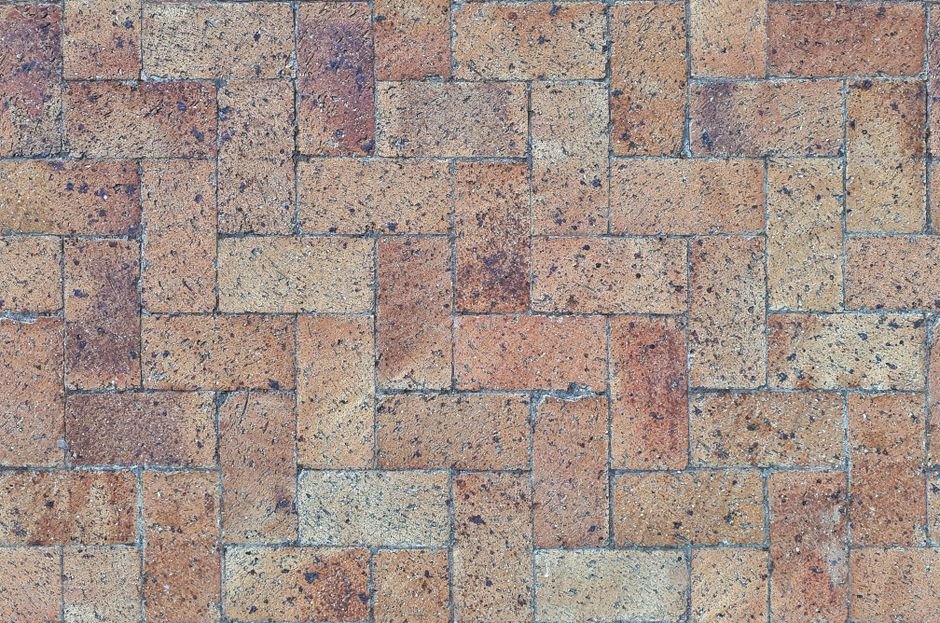
A paver driveway is one of the smartest upgrades you can make to your home’s exterior. Unlike plain asphalt or concrete, pavers give you a polished, custom look while handling everything your vehicles throw at them. If you’re thinking about replacing your driveway or building a new one, understanding your options and what goes into the installation process will help you make a confident decision.
What Makes a Paver Driveway Different
Pavers are individual units made from concrete or brick that lock together to create a durable driving surface. Each piece is designed to withstand heavy vehicle loads while maintaining its appearance for years. That’s the key difference from a standard poured concrete driveway—you get flexibility in design, easier repairs, and a finished look that feels intentional.
The real advantage? If one paver gets damaged down the road, you replace just that piece instead of re-pouring an entire section. Your driveway stays functional and looking fresh.
Related: Paver Walkway: Installation Guide & Design Tips
Related: Paver Patios Boston Massachusetts: Design & Installation Guide
Concrete vs. Brick Pavers
Your two main material choices are concrete pavers and brick pavers.
Concrete pavers are affordable, come in tons of colors and shapes, and offer excellent stain resistance. They handle freeze-thaw cycles well, which matters if you live in New England where winter gets aggressive. You can customize the look significantly while keeping costs reasonable.
Brick pavers deliver a classic, upscale appearance that feels timeless. They’re durable and weather well, though they typically cost more than concrete. Brick also absorbs water more readily, so proper drainage underneath becomes even more critical in your installation.
Both materials work great for driveways. Your choice depends on the aesthetic you want and your budget. J&A Masonry and Construction MA can walk you through the pros and cons for your specific property and climate.
Load Capacity and Durability
Paver driveways are engineered to handle vehicle weight. The pavers themselves are made with rugged strength, and the installation method (a stable base layer plus proper sand spacing) distributes that weight evenly across your driveway.
You won’t experience sagging, cracking, or shifting if the installation is done right. This is why professional installation matters so much. A poorly prepared base or sloppy jointing will lead to problems within a few years.
Both concrete and brick pavers maintain their visual quality and stain resistance over time, even in harsh New England winters. They don’t fade as quickly as asphalt and don’t require constant sealing like some natural stone options.
Installation: Why Professional Work Matters

Installing a paver driveway is not a weekend DIY project. It requires precise measurement, proper grading for drainage, a compacted base layer, and careful layout to avoid gaps and misalignment.
Here’s what a professional installation includes:
- Site assessment and measurement to give you an accurate bid
- Removal of the old driveway (if replacing one)
- Grading to ensure water drains away from your home
- Base preparation with crushed stone or gravel, properly compacted
- Sand layer for final leveling and paver placement
- Paver installation with uniform spacing
- Polymeric sand filling the joints to lock everything in place
- Final compacting and cleanup
Each step affects how your driveway performs. A contractor who skips or rushes through any of these steps is setting you up for headaches—settling, shifting pavers, weed growth between joints, and water pooling.
When you’re ready to move forward, J&A Masonry and Construction MA will schedule a consultation to discuss your specific job requirements and answer questions before work begins.
Like what you read?
Aesthetic and Curb Appeal
Your driveway is one of the first things people see when they look at your home. A well-designed paver driveway instantly elevates curb appeal and signals that you care about your property’s presentation.
Pavers come in modern style options, classic patterns, and endless color combinations. You can create herringbone, running bond, or other layouts. You can mix colors for visual interest or keep it simple and elegant. The finished product looks intentional and high-end in a way that plain concrete or asphalt never does.
That curb appeal also adds value to your home. Potential buyers notice a quality driveway and appreciate the durability and low-maintenance appearance.
Related: Asphalt Paving Driveway Boston: Complete Guide
Climate Adaptability for the Boston Area
Paver driveways are suitable for New England weather. The key is installation done correctly with proper drainage.
Winter freeze-thaw cycles can cause problems if water gets trapped under or around the pavers. That’s why a pro contractor will grade your driveway to shed water, use quality materials rated for cold climates, and ensure the base and sub-base are properly prepared to handle ground movement.
Both concrete and brick pavers rated for residential driveway use handle seasonal temperature swings without compromising performance. They won’t crack or heave the way a poorly installed concrete pad might.
Planning Your Paver Driveway Project

Before you call a contractor, think about what you want your driveway to accomplish. Do you need it wider to fit multiple cars? Do you have drainage concerns? Are you going for a certain aesthetic?
Then reach out and discuss your project requirements with experienced tradespeople. A honest contractor will ask questions about your soil, your slope, your budget, and your timeline. They’ll offer honest advice instead of pushing you toward the most expensive option.
When you’re ready to get started, J&A Masonry and Construction MA specializes in paver driveways for residential customers throughout the Boston area and can help with measurement, bidding, scheduling, and professional installation.
Maintenance and Long-Term Care
One reason homeowners love paver driveways is that they don’t require constant maintenance like asphalt does.
Sweep debris regularly. Rinse with a garden hose a few times a year. If weeds pop up between joints, pull them or spray them with an herbicide made for driveways. That’s honestly most of what you need to do.
Over time (usually every 3-5 years depending on your climate), you might need to add more polymeric sand to joints if they wear down. This is a minor touch-up, not a major repair.
If a single paver cracks or chips, it’s simple to remove and replace just that piece. No re-pouring. No massive expense.
People Also Ask
How long do paver driveways last?
With proper installation and basic maintenance, a paver driveway can last 20-30 years or longer. The pavers themselves are extremely durable. What matters is a solid base, proper drainage, and not letting weeds or water damage the structure underneath.
Are paver driveways more expensive than concrete?
Paver driveways typically cost more upfront than a standard poured concrete driveway, but they offer better aesthetics, easier repairs, and longer-term durability. When you factor in that you won’t need to repave or heavily maintain it like you would asphalt, the total cost of ownership is often competitive or even favorable.
Can you install pavers over an existing driveway?
No. The old driveway needs to be removed completely. A new base layer must be properly prepared and compacted. Installing pavers over an old, uneven surface leads to shifting, settling, and premature failure. That’s why professional removal and base preparation are non-negotiable.
What should I do if pavers start to settle or shift?
Minor settling happens, but significant shifting usually means the base wasn’t properly compacted or there’s a drainage problem underneath. Contact a professional contractor right away. They can inspect the problem, determine the cause, and fix it properly instead of letting it worsen.
Like what you read?