
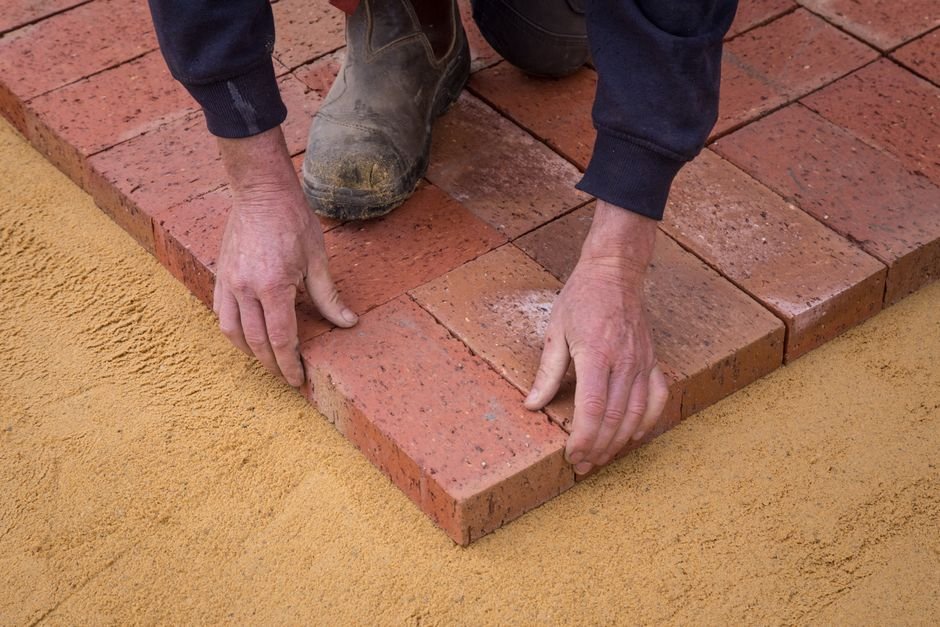
If you’re dreaming of a beautiful outdoor space where you can relax with family and friends, a paver patio is one of the best investments you can make for your Boston home. Paver patios add real value, create usable outdoor living space, and look fantastic for decades when they’re built the right way. The good news is that professional paver patio installation in the Boston area is totally doable, and understanding your options upfront will help you make the right choices for your yard.
What Makes a Great Paver Patio for Boston Homes
A paver patio is a hardscape surface made of individual units, like bricks, stone, or concrete pavers, laid out in a pattern and set on a prepared base. Unlike poured concrete, pavers give you way more design flexibility and are easier to repair if something breaks down the road.
In Boston, the real trick to a long-lasting paver patio is understanding our New England climate. Winter frost, freeze-thaw cycles, and heavy snow load all put stress on outdoor surfaces. That’s why proper installation matters so much here.
Related: Paver Driveway Guide: Materials, Installation & Benefits
Related: Basement Waterproofing Boston Contractors: A Complete Guide
Material Options for Paver Patios
You’ve got solid choices when it comes to paver materials.
Related: Custom Patio Design and Installation: A Complete Guide
Traditional Brick and Cobble Pavers are classic and timeless. They fit right into Boston’s older neighborhoods and give off that established, quality feel. Brick is durable and has been used for centuries.
Related: French Drain Installation: Complete Guide for Boston Homeowners
Related: Paver Walkway: Installation Guide & Design Tips
Concrete Pavers offer lots of colors, shapes, and patterns. They’re versatile, work in contemporary and traditional settings, and come in finishes that mimic natural stone if that’s your preference.
Natural Stone Pavers like granite, bluestone, and slate are premium options. They’re beautiful, durable, and age really well. If you want something that feels upscale and lasts through decades of New England weather, natural stone is worth the investment.
All of these materials can work in Boston yards. Your choice comes down to your budget, the style of your home, and how much maintenance you’re willing to do.
The Frost Challenge: Why Installation Matters in Boston
Here’s the thing about Boston winters: water gets into soil, freezes, expands, and then thaws. This freeze-thaw cycle can shift your patio if it’s not built properly. Pavers installed without the right base preparation won’t last.
The solution is a solid foundation. Professional contractors in the Greater Boston area know to excavate deep enough, use the right gravel base, add landscape fabric for drainage, and compact everything carefully. This prep work keeps frost from pushing your pavers around.
Your patio also needs good drainage so water doesn’t pool underneath and freeze. This is something you can’t see after the job is done, but it’s absolutely critical for longevity.
Planning Your Paver Patio Project
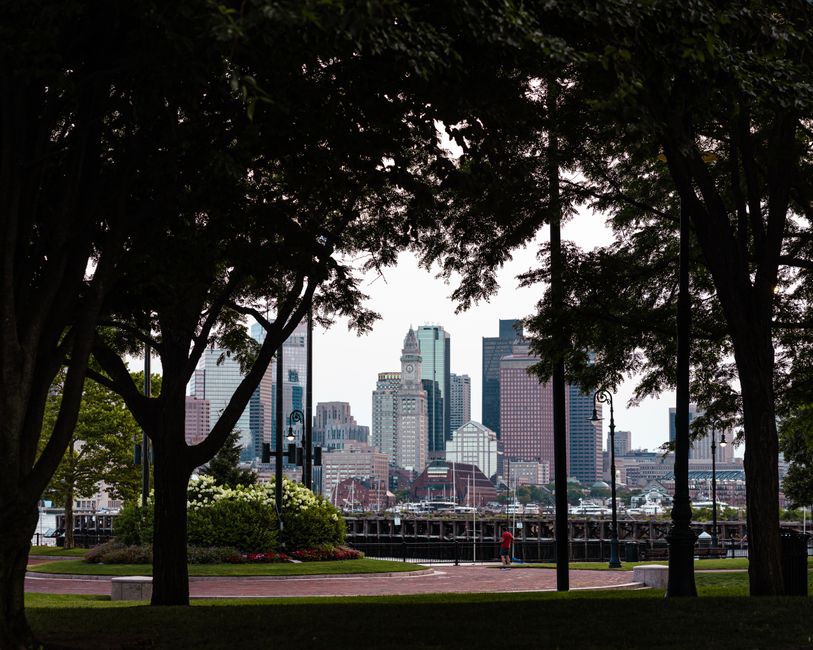
Start with a clear idea of what you want. Do you want a small seating area? A large space for entertaining? Room for a fire pit or built-in grill? Think about traffic flow and how you’ll actually use the space.
Consider size and shape. Measure your yard and think about proportions. A patio that’s too small won’t feel useful; one that’s too big can overwhelm your landscape.
Pick your material and pattern. Popular patterns include running bond (brick-like), herringbone (diagonal), and random patterns. Some materials work better with certain layouts, so this is worth thinking through.
Budget for steps, walkways, or walls. Many patios work best with a connecting walkway from the house or steps if there’s a slope. J&A Masonry and Construction MA handles complete landscape hardscaping, so these details can be part of one cohesive project.
Like what you read?
Get a professional estimate. A contractor should visit your yard, look at drainage, slope, and soil conditions, and give you a clear picture of what’s involved. This is your chance to ask questions about how Boston weather will affect your patio.
The Installation Process Explained
Site preparation is everything. The contractor will mark out the patio area, remove topsoil and sod, and excavate to the right depth. In Boston, this depth accounts for frost lines and drainage needs.
Base preparation comes next. Gravel (usually 4-6 inches) gets spread and compacted to create a stable foundation. Landscape fabric helps prevent weeds and keeps layers separated. This base is what keeps your patio from moving when the ground freezes.
Sand layer and paver laying. A thin layer of sand goes on top of the base, and then pavers are laid carefully in your chosen pattern. The contractor will check that everything is level (crucial for drainage) and adjust the sand base as needed.
Edge restraints and jointing. Edges get secured so pavers don’t spread. Sand or polymeric sand gets swept into the joints between pavers to lock everything together and prevent weeds.
Final compaction. A plate compactor settles everything, and final sweeping cleans up the surface.
Design Ideas That Work in Boston
Contemporary homes look sharp with large-format pavers in gray or charcoal tones, often laid in a simple linear pattern. Clean lines, minimal color variation, and modern aesthetics suit minimalist yards.
Traditional and colonial-style homes feel right with brick or warm-toned pavers in classic patterns like running bond or herringbone. These designs connect to Boston’s architectural heritage.
Transitional styles split the difference: natural stone in earth tones, maybe with a patterned border or mixed sizes that feel organic but organized.
Don’t forget about color. Light pavers make a space feel bigger and stay cooler in summer. Dark pavers hide stains but absorb more heat. Mid-tone grays and warm taupes are forgiving and go with almost anything.
Maintenance Tips to Keep Your Patio Looking Great

Paver patios don’t require much upkeep, but a little care extends their life.
- Sweep regularly to remove leaves and debris.
- Rinse with a hose once or twice a year to keep them clean.
- Weeds in the joints? Spray with weed killer or pull by hand before they get established.
- Polymeric sand hardens over time and locks in place. If weeds start showing up, it might be time to re-sand.
- In winter, use a shovel for snow, not a snow blower (which can damage pavers). Rock salt and ice melt are safe for pavers, though some people prefer gentler alternatives.
- Every few years, a pressure wash at low pressure can refresh the look.
If a paver cracks or breaks, one of the best parts about this type of patio is that you can pop out the damaged piece and replace just that one, rather than having to tear up a whole section like you would with concrete.
Hiring the Right Contractor for Your Boston Patio
Not all contractors are equally experienced with Boston-area conditions and frost protection requirements. Look for someone with solid local experience, ideally someone who’s been doing this work in the Greater Boston area for many years.
Check that they’re licensed and insured. A professional contractor will also offer a free on-site estimate so they can evaluate your specific yard, drainage situation, and any complications.
Ask about their approach to frost protection and drainage. This is where experience really shows. A contractor who knows Boston understands that this isn’t a detail to skip.
Read reviews from other Boston-area homeowners. You want someone with a track record of quality work and customer satisfaction. When you’re ready to move forward, J&A Masonry and Construction MA offers professional paver patio installation with deep expertise in the Boston region, and they’re happy to discuss your project in detail.
Common Questions About Paver Patios
How long does a paver patio last in Boston?
A properly installed paver patio should last 25-50 years or more, depending on the material and how well you maintain it. Natural stone and quality brick can last even longer. The key is that foundation work done right the first time. Cheap installation shortcuts come back to haunt you when frost starts doing its damage.
Related: Brick Walkway Installation Near Me: A Homeowner’s Guide
Can I install a paver patio myself?
DIY paver installation is possible if you have experience with landscaping, but Boston’s frost lines and drainage requirements make it tricky. One mistake in base preparation can lead to settling, cracking, or movement within a year or two. Most homeowners benefit from hiring a professional who understands local conditions and has the right tools for compaction and leveling.
What’s the difference between pavers and concrete?
Concrete is poured as one solid slab, while pavers are individual units laid in a pattern. Pavers offer way more design options, are easier to repair (replace one paver instead of patching a slab), and generally handle freeze-thaw cycles better because each unit can move slightly rather than the whole surface cracking. Concrete can crack in Boston winters if it’s not sealed and maintained carefully.
Do I need a permit for a patio?
Most municipalities in the Boston area don’t require permits for residential patios, but some do, especially if you’re near wetlands or if the patio is very large. Your contractor should know your town’s rules and let you know if a permit is needed.
Like what you read?
5 thoughts on “Paver Patios Boston Massachusetts: Design & Installation Guide”