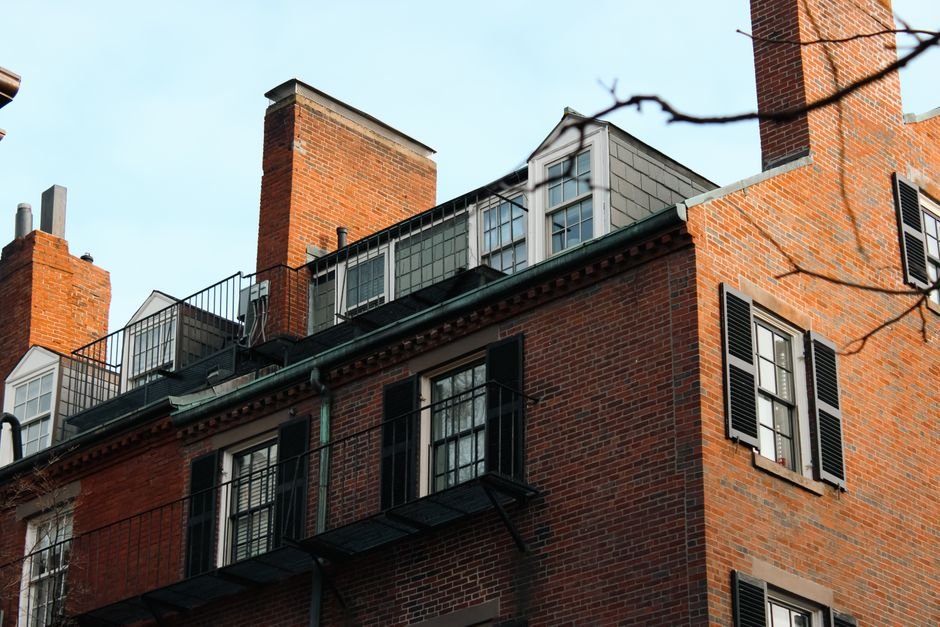
If your chimney’s mortar is crumbling but the bricks look solid, tuck pointing chimney repair in Boston is probably what you need. It’s a targeted fix that replaces worn-out mortar between the bricks while keeping the existing masonry in place. When done right, it stops leaks, prevents further damage, and keeps your chimney standing strong for years.
Here’s what you need to know about this repair and whether your chimney needs it.
Related: Brick Walkway Installation Near Me: A Homeowner’s Guide
Related: What Is Tuckpointing? A Homeowner’s Guide
Related: Brownstone Restoration: A Homeowner’s Guide to Repairs
Related: Asphalt Paving Driveway Boston: Complete Guide
What Is Tuck Pointing and Why Chimneys Need It
Tuck pointing (sometimes called repointing) is the process of removing old, deteriorated mortar from between bricks and filling those joints with fresh mortar. Think of it as giving your chimney’s skeleton a refresh without replacing the bones.
Mortar wears down over time. Rain, freeze-thaw cycles, and temperature swings all break it apart. When mortar fails, water sneaks in behind the bricks. That moisture causes damage inside the chimney structure, leads to leaks in your home, and can even compromise the chimney’s ability to safely vent smoke and gases.
Unlike full chimney replacement (which tears out damaged bricks too), tuck pointing targets the mortar only. It’s faster, less invasive, and way more affordable when the bricks themselves are still in good shape.
Signs Your Boston Chimney Needs Tuck Pointing
Watch for these red flags that your chimney needs attention:
- Visible mortar gaps or crumbles: If you can see chunks of mortar missing or loose between the bricks, that’s the clearest sign.
- White staining (efflorescence): Chalky white residue on the chimney exterior usually means water is penetrating the mortar.
- Leaks inside your home: Water stains on walls near the chimney or inside the fireplace point to mortar failure.
- Cracked bricks: Sometimes mortar loss puts pressure on neighboring bricks, causing them to crack.
- Loose bricks: If a brick feels loose or shifts when you touch it, weak mortar is likely the culprit.
Don’t ignore these signs. The longer deteriorated mortar sits, the more structural problems it causes.
How Tuck Pointing Chimney Repair Works
Here’s what the repair process typically looks like:
1. Inspection
A masonry specialist examines the chimney up close to figure out how much mortar needs replacement and whether the bricks are still solid. If bricks are severely damaged, you might need more than just tuck pointing.
2. Mortar removal
Using specialized tools, the contractor carefully removes old mortar from the joints between bricks. This has to be done carefully to avoid damaging the surrounding masonry.
3. Cleaning the joints
The empty joints get cleaned thoroughly to remove dust and debris. This ensures the new mortar bonds properly.
4. Applying new mortar
Fresh mortar matching the original type and color is packed into the joints. The contractor works systematically, section by section, making sure joints are completely filled and properly sealed.
5. Finishing and curing
The new mortar is tooled to match the original joint style, then left to cure. Proper curing takes time, and the chimney should stay dry during this period.
If you’re thinking about tackling this yourself, pause. Tuck pointing requires specific skills, the right tools, and fall protection to work safely at height. It’s definitely a job worth handing to a professional like J&A Masonry and Construction MA, which specializes in chimney repair and masonry work throughout the Boston area.
Like what you read?
Mortar Types Matter for Your Boston Chimney

Not all mortar is the same. Older chimneys often use softer lime-based mortar, while newer ones might have Portland cement mortar.
Using the wrong mortar type during tuck pointing can actually cause problems. Hard Portland cement mortar applied over soft lime mortar can trap moisture and speed up deterioration. That’s why matching the original mortar composition is critical.
A professional chimney repair contractor will test or examine your existing mortar to determine the right replacement mix. Getting this detail right is what separates good repairs from ones that fail within a few years.
How Often Does Chimney Mortar Need Repair?
There’s no fixed timeline because it depends on your climate, the chimney’s age, and how well previous repairs were done. Boston’s wet springs and freeze-thaw winters are especially hard on mortar.
A well-maintained chimney might not need tuck pointing for 20 to 30 years. But if mortar was already compromised or repairs weren’t done right the first time, you might need work sooner.
The best approach is regular inspection. Have your chimney looked at every few years, especially if you live in an older home or notice any of the warning signs mentioned earlier.
What’s the Cost of Tuck Pointing in Boston?
The final price depends on several factors: how much mortar needs replacement, the chimney’s height and accessibility, the condition of the bricks, and whether special mortar types are required.
Rather than guess, get a free estimate from a local contractor. J&A Masonry and Construction MA offers free estimates so you know exactly what the repair will cost before any work begins. This gives you a real number instead of estimates that turn out to be way off.
DIY Tuck Pointing: Why It’s Usually Not Worth It

Tuck pointing looks straightforward in videos, but it requires experience, proper equipment, and safe access to a height. Getting mortar consistency right, matching colors, and ensuring joints are properly filled takes practice.
Mistakes are expensive to fix. Poorly done tuck pointing can fail quickly, trap moisture in the wrong places, or even damage good bricks. You’d end up paying a professional to redo it anyway.
For something as important as your chimney’s structural integrity and your home’s safety, professional work is the smarter move.
Keeping Your Chimney Healthy Between Repairs
Once your tuck pointing is done, a few habits help extend the life of the repair:
- Clear debris from the chimney crown: Leaves and dirt trap moisture. A clean crown lets water run off.
- Inspect after severe weather: Heavy storms or freeze-thaw cycles can accelerate mortar wear. A quick visual check helps you catch new problems early.
- Keep the chimney dry: Avoid power washing, which forces water behind mortar joints. Let it dry naturally.
- Have it inspected regularly: Professional inspections catch small issues before they become big (and expensive) ones.
When to Call a Professional for Tuck Pointing Chimney Repair
If you see mortar damage, notice leaks, or spot loose bricks, call a masonry specialist now. The longer you wait, the more damage spreads.
A professional will give you honest feedback about what your chimney needs and what it will cost. If you’re in the Boston area, J&A Masonry and Construction MA provides comprehensive chimney repair services including tuck pointing work. Reach out for a free estimate and a clear plan for restoring your chimney.
FAQs About Tuck Pointing Chimney Repair in Boston
What’s the difference between tuck pointing and repointing?
These terms are used interchangeably. They both mean removing and replacing mortar between bricks. Tuck pointing specifically refers to the technique of filling joints and then finishing them with a contrasting lime mortar line, which was historically used to make repairs less visible.
Can I just caulk the cracks in my chimney instead of tuck pointing?
Caulk is a temporary band-aid. It doesn’t bond the way mortar does, and it fails much faster, especially on a chimney exposed to weather and temperature swings. Proper mortar repair is the real solution.
How long does tuck pointing last?
Quality tuck pointing can last 20 to 30 years or longer, depending on the climate, the mortar type used, and how well the work was done. Boston’s weather is tough on mortar, so inspections every few years are smart.
Do I need to have my chimney inspected before tuck pointing?
Yes. An inspection determines whether tuck pointing alone is enough or if bricks need replacement too. You want to know the full scope of work before starting, and a professional inspection gives you that picture.
Like what you read?
One thought on “Tuck Pointing Chimney Repair Boston: A Homeowner’s Guide”