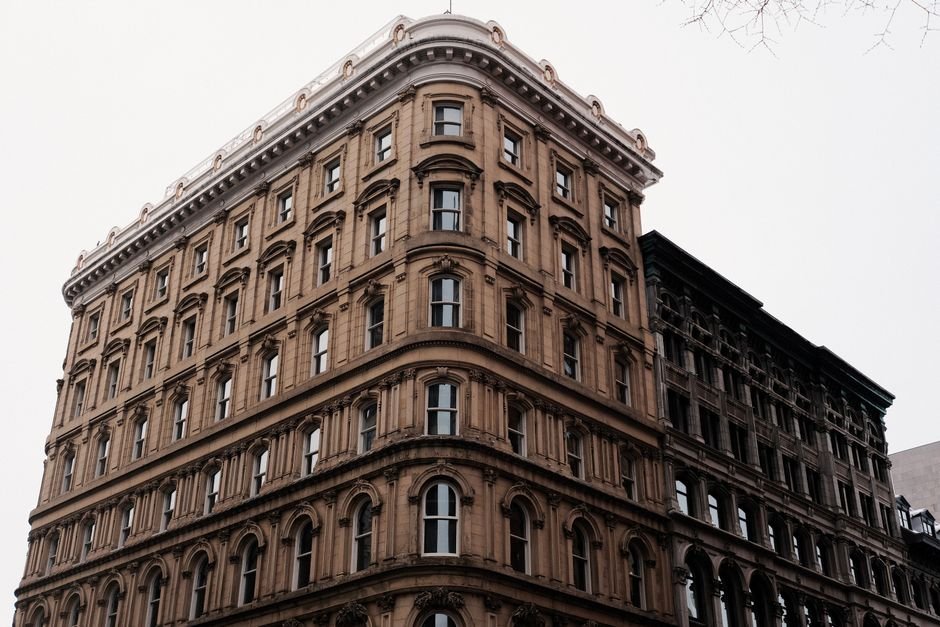
Brownstone restoration means bringing your building’s exterior back to life. If you own one of these iconic Boston-area homes, you know they’re built to last—but they also need smart maintenance to stay structurally sound and beautiful.
The good news? You don’t need to tackle everything at once. This guide walks you through the most common brownstone repairs, how to spot problems early, and when to bring in a specialist.
Related: Custom Patio Design and Installation: A Complete Guide
Related: Patio Pavers Installation: Step-by-Step Guide
Related: Tuck Pointing Chimney Repair Boston: A Homeowner’s Guide
Related: What Is Tuckpointing? A Homeowner’s Guide
Related: Brick Walkway Installation Near Me: A Homeowner’s Guide
Why Brownstone Restoration Matters
Brownstones aren’t like regular modern houses. They’re built differently, with specific architectural details and materials that age in their own way. Water damage, crumbling mortar, rust on fire escapes, and deteriorating brick all threaten the integrity of your building if left unchecked.
The longer you wait to address these issues, the more expensive they become. A small leak today becomes foundation damage tomorrow. Loose mortar in one section spreads to the next.
That’s why J&A Masonry and Construction MA emphasizes catching problems early. Regular inspections and timely repairs add decades to your brownstone’s lifespan.
The Most Common Brownstone Restoration Projects
Brick Pointing and Repointing
Your brownstone’s facade relies on mortar joints between bricks to hold everything together and keep water out. Over time, mortar cracks, crumbles, and fails. This is where brick pointing comes in.
Repointing means removing the old, damaged mortar and replacing it with fresh material. It’s not glamorous work, but it’s essential. Bad mortar joints let water seep into your walls, which causes serious interior damage.
The process involves carefully cutting out deteriorated mortar until you reach sound brick, then applying new cementitious material to restore the joint. It takes patience and skill to match the original mortar color and consistency.
Facade Restoration
Your brownstone’s front face takes a beating from weather, pollution, and time. Bricks soften, surfaces spall (chip and flake), and dirt builds up. A thorough facade restoration involves cleaning, repairing damaged bricks, and addressing any underlying structural issues.
Sometimes this means replacing individual bricks that have deteriorated beyond repair. Other times, targeted patching restores problem areas without replacing entire sections.
Waterproofing
Water is the enemy of any old masonry structure. Waterproofing protects your brownstone by creating a barrier against moisture infiltration. This is especially critical around windows, doors, rooflines, and basement areas.
Proper waterproofing prevents dampness, mold, and structural rot. It’s an investment that pays dividends by keeping your interior dry and your walls healthy.
Stoop and Entrance Repairs
Your front stoop takes constant foot traffic and weather exposure. Cracks, loose stones, and deteriorated mortar are common here. Specialized stoop repair techniques ensure your entrance is both safe and architecturally correct.
Fire Escape Maintenance
Iron fire escapes are architectural features on many brownstones, but they rust easily. Regular inspection and repainting prevent structural issues and maintain safety. Rust spreads quickly on exposed metal, so catching it early matters.
How to Spot Brownstone Problems Early
Walk around your building regularly and look for these warning signs:
- Mortar that’s loose, missing, or visibly crumbling between bricks
- Water stains or dampness on interior walls, especially in basements
- Cracks in the facade, particularly around windows and doors
- Bricks that are soft, spalling, or actively breaking apart
- Rust or discoloration on fire escapes or metal fixtures
- Gaps between the facade and trim work
If you notice any of these, get a professional inspection. Waiting usually makes repairs more complex and expensive.
The Right Way to Restore Brownstone

Here’s what separates amateur work from professional restoration:
Take Your Time
Rushing through brownstone restoration leads to poor results that fail faster. The right approach methodically addresses each section, tests materials, and ensures quality at every step.
Use the Right Materials
Modern mortar isn’t always right for 100-year-old brownstones. The wrong mix can actually damage your bricks by preventing proper moisture movement. A specialist knows which cementitious materials match your building’s original composition and needs.
Stay Transparent
You deserve to know exactly what work is being done and why. Good contractors keep you informed throughout the project, explain their methods, and answer your questions honestly.
Understand Your Building’s Unique Needs
Every brownstone is different. Age, previous repairs, climate exposure, and original construction methods all affect how you should approach restoration. Generic solutions don’t work here.
When you’re ready to move forward, J&A Masonry and Construction MA specializes in exactly this kind of detailed masonry work for Boston-area homes.
Like what you read?
Planning Your Brownstone Restoration Budget
Restoration costs depend on which areas need work, how extensive the damage is, and what materials are required. A small pointing project costs less than a full facade rebuild.
The smartest approach is to get a professional assessment first. A contractor can inspect your building, identify all needed work, and help you prioritize what to tackle first.
Some homeowners start with waterproofing and brick pointing—the foundational work that prevents future damage. Others begin with visible facade restoration to improve curb appeal while protecting the structure underneath.
There’s no one-size-fits-all timeline. Your unique situation determines the best sequence and scope of work.
Finding the Right Brownstone Restoration Specialist
This work isn’t for general contractors. You need someone who understands historic masonry, brownstone architecture, and the specific challenges of older buildings in the Boston area.
Look for contractors who ask good questions about your building’s history and current condition before quoting work. Ask to see examples of previous brownstone projects. Find out if they communicate clearly and handle unexpected issues professionally.
When you’re evaluating options, J&A Masonry and Construction MA offers the local expertise and personalized service that brownstone owners need.
Common Questions About Brownstone Restoration
How often should I have my brownstone inspected?
Annual inspections are a good baseline, especially if you’ve noticed any issues. After repair work, follow-up inspections help catch any new problems early. Spring is a smart time to inspect since winter weather often reveals damage.
Can I do small brownstone repairs myself?
Minor cleaning and surface work might be DIY territory, but masonry repairs require skill and the right tools. Pointing, brick replacement, and waterproofing should go to a professional. Bad DIY work often costs more to fix than hiring a pro initially.
What’s the difference between pointing and repointing?
Pointing is the original mortar work done when your brownstone was built. Repointing is replacing deteriorated mortar later on. The term “repointing” is often used generically to describe fixing mortar joints, but technically it means doing the work a second time.
How long does brownstone restoration typically take?
It depends entirely on the scope. A focused pointing project might take weeks, while a comprehensive facade restoration can take several months. Weather, the extent of hidden damage, and the availability of matching materials all affect the timeline. Good contractors prioritize doing it right over doing it fast.
Like what you read?
One thought on “Brownstone Restoration: A Homeowner’s Guide to Repairs”