
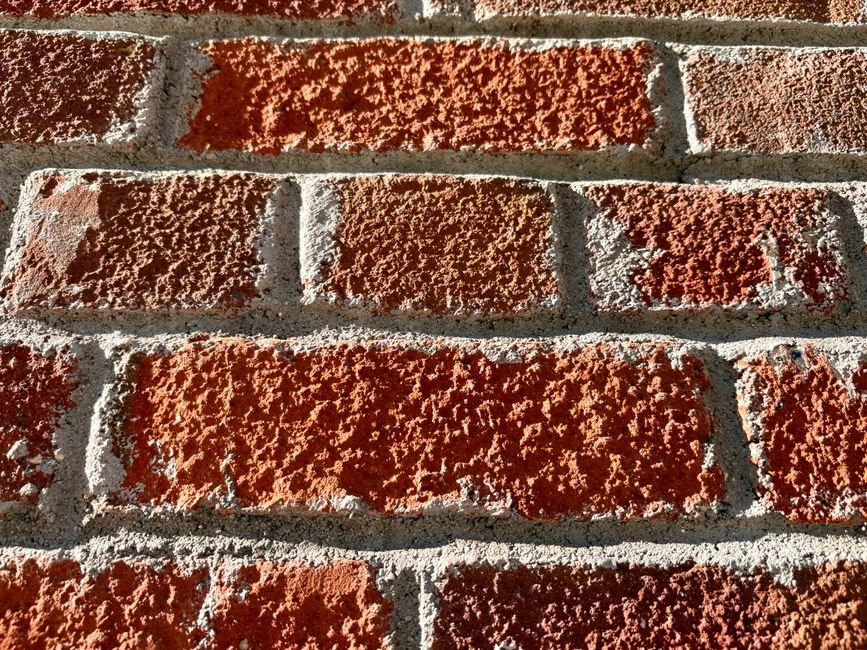
Tuckpointing is the process of removing old, damaged mortar from the joints between your bricks and replacing it with fresh mortar. It’s a targeted repair method that keeps your brick exterior both structurally sound and looking good.
If your brick home is showing signs of wear—crumbling mortar, water seeping through walls, or just that tired, weathered look—tuckpointing might be exactly what you need. It’s one of the smartest investments you can make in masonry maintenance, and it’s way more affordable than replacing entire sections of brickwork.
How Tuckpointing Works
The process is straightforward, but it takes skill to do right.
First, a mason carefully removes the deteriorated mortar from the joints between bricks. This is usually done using specialized tools that cut out the old material without damaging the bricks themselves.
Once the joints are cleared, fresh mortar gets packed into those spaces. Here’s where the name “tuckpointing” comes in: the mason uses two colors of mortar to create a visual effect. They fill the joint with mortar that matches your brick color, then add a thin line of contrasting mortar on top. This contrast makes the joints stand out and gives your masonry a crisp, well-maintained appearance.
The result? Your brick looks refreshed and protected, even from a distance.
Why Your Boston-Area Home Needs Tuckpointing
Mortar isn’t permanent. Over time—especially in New England winters—it breaks down. Freeze-thaw cycles crack it. Water gets in. And once water starts working its way into those joints, things get worse fast.
When mortar deteriorates, moisture penetrates deeper into your brick structure. This leads to:
- Water damage inside your walls
- Efflorescence (white staining on brick)
- Spalling bricks (surface flaking and crumbling)
- Structural weakness in your masonry
- Higher repair costs down the road
Tuckpointing stops this cycle before it spirals. By addressing mortar joints early, you’re protecting the entire brick structure from expensive deterioration.
Signs Your Brick Needs Tuckpointing
Not sure if your home is a candidate? Watch for these red flags:
- Mortar joints that are visibly cracked, missing, or crumbling
- Gaps you can see between bricks and mortar
- Water stains or dampness on interior walls near brick
- Mortar that feels soft or powders when you touch it
- Bricks that look loose or out of alignment
- Moss or algae growing in mortar joints
If you spot any of these, it’s time to get a professional evaluation. J&A Masonry and Construction MA can assess your brick and recommend whether tuckpointing is the right solution for your home.
Like what you read?
Tuckpointing vs. Other Brick Repair Methods

You have options when brick starts failing, and it helps to know the difference.
Tuckpointing targets just the mortar joints. It’s cost-effective and focuses on the problem area without disturbing the bricks themselves. This is your go-to for mortar-only issues.
Repointing is similar to tuckpointing but without the decorative two-color technique. It simply replaces the mortar with a single color. It’s also a solid maintenance approach, though it doesn’t have the same visual pop.
Brick replacement comes into play when the bricks themselves are damaged beyond repair—spalling, crumbling, or structural failure. This is more expensive and invasive than tuckpointing.
Full masonry restoration is a comprehensive overhaul that may include tuckpointing, brick replacement, and structural repairs all at once. It’s the most expensive option but handles major deterioration.
Related: Brownstone Restoration: A Homeowner’s Guide to Repairs
For most homeowners dealing with aging mortar joints, tuckpointing is the smart, affordable choice that extends the life of your brick for decades.
Related: Tuck Pointing Chimney Repair Boston: A Homeowner’s Guide
Related: Brick Walkway Installation Near Me: A Homeowner’s Guide
How Often Should You Get Tuckpointing Done?
Mortar typically lasts 20 to 40 years, depending on your climate, the original mortar quality, and how well your brick is maintained.
In the Boston area, where winter weather is harsh, mortar can deteriorate faster. If your home is older and you’ve never had the mortar joints professionally inspected, now’s a good time. A mason can tell you exactly what condition your joints are in and whether tuckpointing is needed immediately or down the road.
Regular inspections—maybe every 5 to 10 years—help catch problems early when they’re easiest and cheapest to fix.
The Cost and Value of Tuckpointing
Tuckpointing is significantly less expensive than brick replacement or full restoration. The exact cost depends on how much brick you have, the condition of the mortar, and how accessible the work is. Rather than guess, the best move is to get a free estimate from a licensed professional who can inspect your property and give you a real number.
J&A Masonry and Construction MA offers free estimates for tuckpointing and masonry repair work throughout the Boston area. They’ll walk you through what needs to be done and what you can expect to invest.
Think of tuckpointing as preventive maintenance. Spending money now saves you thousands later by keeping water out of your walls and your brick structure intact.
Choosing a Professional for Your Tuckpointing

This isn’t a DIY job if you want it done right. Tuckpointing requires skill, the right tools, and experience with mortar composition and application.
When you’re looking for a contractor, make sure they:
- Are properly licensed and insured
- Have experience with residential brick masonry
- Can show you photos of previous tuckpointing projects
- Offer a free inspection and estimate
- Explain their process and the type of mortar they’ll use
- Stand behind their work with warranty or guarantee
A skilled mason will match the original mortar composition and choose a mortar type that suits your brick and local climate. This matters more than you might think—using the wrong mortar can actually accelerate brick deterioration.
Protecting Your Investment After Tuckpointing
Once your tuckpointing is done, maintenance is minimal but important.
Keep gutters and downspouts clear so water flows away from your brick foundation. Avoid power washing your brick for at least a year after tuckpointing, as the new mortar needs time to fully cure. If you do power wash later, use low pressure and keep the nozzle away from the mortar joints.
Regular inspections—especially after harsh winters—help you spot any new cracks early. Addressing small problems immediately keeps them from becoming big, expensive ones.
If you’re ready to get your brick evaluated or want to learn more about tuckpointing for your Boston-area home, reach out to J&A Masonry and Construction MA for a free estimate. They specialize in masonry repairs and can give you an honest assessment of your brick’s condition.
People Also Ask
Is tuckpointing the same as repointing?
Not exactly. Both involve replacing mortar, but tuckpointing uses two contrasting colors of mortar to create a decorative effect in the joints. Repointing typically uses a single color to match the original mortar. Both serve the same protective function, but tuckpointing also improves the appearance of your brick.
How long does tuckpointing last?
When done properly, tuckpointing lasts 20 to 40 years. The lifespan depends on your local climate, the quality of the mortar used, and how well your brick is maintained. In Boston’s freeze-thaw winters, you might need tuckpointing redone on the sooner end of that range.
Can you tuckpoint brick yourself?
It’s possible, but not recommended. Tuckpointing requires specialized tools, knowledge of proper mortar composition, and skill to avoid damaging the bricks. Getting it wrong can actually trap moisture and cause more problems. Hire a licensed professional to do it right the first time.
Will tuckpointing stop water from leaking through my brick walls?
Yes, in most cases. By sealing deteriorated mortar joints with fresh mortar, tuckpointing prevents water from penetrating into your brick structure. However, if your water problems stem from other issues—cracked bricks, missing flashing, or failed foundation sealing—tuckpointing alone may not solve them. A professional inspection can identify the root cause.
Like what you read?
One thought on “What Is Tuckpointing? A Homeowner’s Guide”