
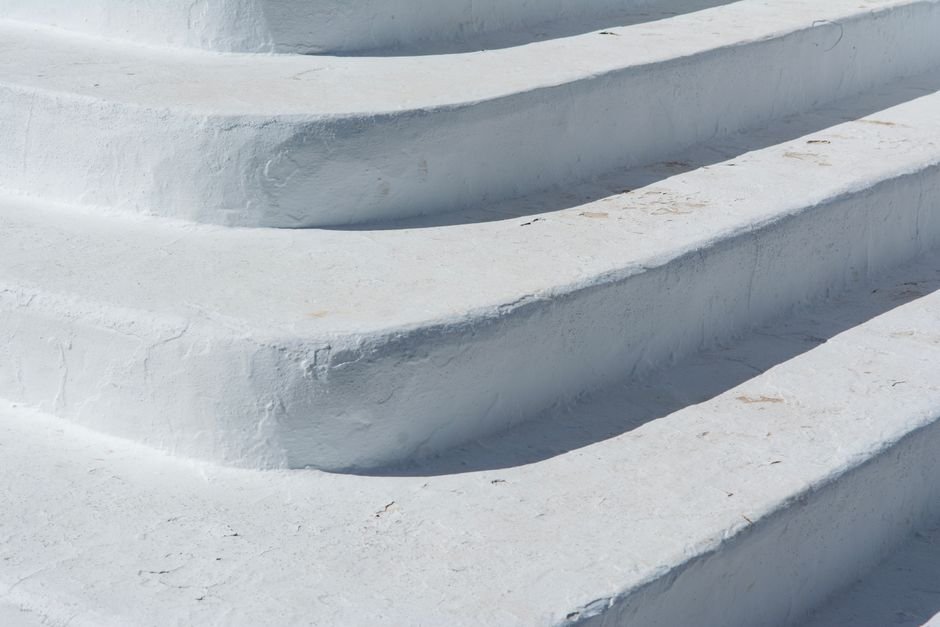
Concrete steps are one of the most practical and durable options for your home’s exterior entry points, patios, and deck access. Whether you’re replacing worn-out wooden stairs or building something new, concrete delivers strength, longevity, and a clean, professional look that works with almost any home style.
Let’s walk through what makes concrete steps worth considering, how they’re built, and what you should know before making this investment in your home.
What Are Concrete Steps?
Concrete steps are outdoor stairs manufactured as single, solid units. Unlike traditional wooden steps that need assembly and ongoing maintenance, concrete steps arrive as one complete piece ready for installation.
Related: What Is Tuckpointing? A Homeowner’s Guide
The beauty of this design is simplicity. There’s no framing, no nailing, no weak joints. You get a solid block of precast concrete that’s already cured and ready to handle foot traffic immediately after installation.
Related: Paver Walkway: Installation Guide & Design Tips
These steps are engineered for outdoor use. They resist heat, humidity, and freeze-thaw cycles that Massachusetts weather throws at them year after year. That resilience is why they’re such a popular choice for Boston-area homeowners.
Standard Dimensions and Capacity
Most precast concrete steps follow consistent sizing to match standard building codes. A typical step has a 7-inch rise, which is the vertical height from one step to the next. This measurement feels natural to climb and meets safety standards.
Standard precast concrete steps are built to handle significant weight. Expect a capacity around 550 pounds per unit, so they’ll easily support multiple people, furniture, or anything else you might place on them.
These specifications mean you can find steps that fit most standard entryways and patio layouts without custom orders or complex adjustments.
Material Options for Concrete Steps
When you think “concrete steps,” you’re typically looking at precast concrete. But there are variations worth understanding.
Precast Concrete: This is the standard. Concrete is mixed, poured into molds, and cured in a controlled factory environment. This process creates incredibly durable, consistent steps. You get a finished product that’s predictable and reliable.
Finishing Options: Concrete can be finished smooth, with a broom texture for traction, or even with exposed aggregate (small stones visible in the surface). Some homeowners add color with concrete stain or sealant to match their home’s exterior.
Alternative Materials: While concrete is the most common, weather-resistant wood and composite materials exist. Wood requires regular sealing and maintenance. Composites offer durability but typically cost more. Concrete remains the best balance of affordability, durability, and ease of maintenance.
Why Concrete Steps Last So Long
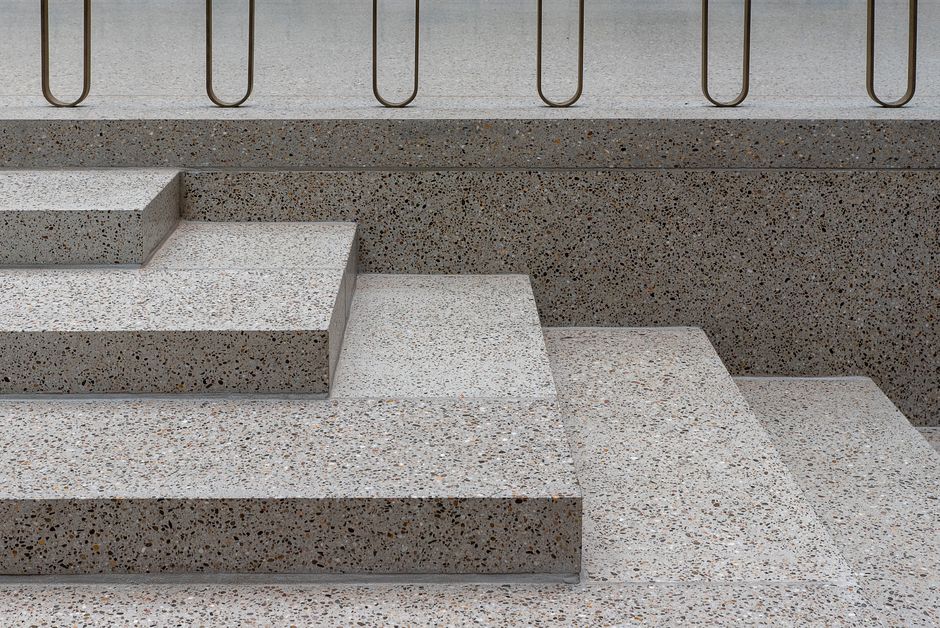
Concrete’s durability comes down to its composition and density. Once cured, concrete becomes a rock-solid material that doesn’t rot, warp, or attract insects like wood does.
It handles temperature swings. In winter, New England’s freeze-thaw cycles don’t crack quality concrete the way they damage wood or composite materials. The key is proper installation and sealing to prevent water from getting into hairline cracks.
Sun exposure fades the color over time, but it doesn’t weaken the structure. That’s purely aesthetic, and it’s easy to address with a fresh sealing coat.
With basic maintenance (annual sealing and keeping ice melt off in winter), concrete steps easily last decades. That’s a far better lifespan than wood, which typically needs replacement every 10-15 years in this climate.
When to Install Concrete Steps
Concrete steps work for several common situations in your home.
Patio Entry: If you’re adding a patio or rebuilding an entryway, concrete steps connect your deck or patio to grade level smoothly. They’re the professional way to bridge that gap.
Deck Access: Replacing old wooden deck stairs? Concrete steps provide the same function without the maintenance headaches.
Main Entryways: Front, side, or back entrance steps. Concrete gives your home a finished, permanent look.
Basement Bulkhead: Some homeowners use concrete steps for basement exit stairs.
In any of these cases, the installation process is straightforward if you have a solid, level foundation to set them on. That’s where hiring a professional matters most.
Installation: What to Expect
Installing concrete steps is simpler than framing and assembling wood, but it still requires precision and experience.
Site Preparation: The ground where your steps will sit must be stable, level, and compacted. If the foundation isn’t solid, the steps will settle unevenly and crack. This is non-negotiable.
Positioning: The steps need to sit at the exact height and angle to match your patio, deck, or entryway. Too high or too low creates a tripping hazard.
Setting the Unit: This is where it gets technical. Professional installers use a mortar bed or concrete base to set the precast steps. They ensure everything is level, properly supported, and secure.
Finishing: Once set, the joints are sealed, and any gaps are filled to prevent water infiltration.
This isn’t a DIY project if you want it done right. Poor installation leads to cracked, settling steps within a few years. If you’re in the Boston area and want concrete steps installed correctly, J&A Masonry and Construction MA can handle the entire process from site prep through finishing.
Like what you read?
Maintaining Your Concrete Steps

The good news about concrete steps is they don’t demand much. But a little attention goes a long way in extending their life.
Seal Annually: Apply a concrete sealer once a year, ideally in fall before winter weather hits. This prevents water from seeping into the concrete and causing freeze-thaw damage.
Clean Regularly: Use a broom or leaf blower to keep debris off the surface. If moss or algae grows, a pressure washer on low setting removes it. Don’t use a high-pressure washer, as it can damage the concrete surface.
Winter Care: Use rock salt or sand for traction in ice and snow, not calcium chloride or other aggressive ice melts. These chemicals accelerate concrete deterioration. Remove ice buildup promptly.
Fill Small Cracks: If hairline cracks appear, fill them with concrete crack filler to prevent water from widening them over time.
Avoid Standing Water: Make sure your steps drain properly. Standing water is the enemy of concrete longevity.
Common Mistakes to Avoid
Rushing installation is the biggest mistake. If your foundation isn’t properly prepared and the steps aren’t set level, nothing you do later will fix it.
Skipping the sealing step is another. Some homeowners think sealer is optional. It’s not. Without it, your concrete absorbs water, and freeze-thaw cycles do serious damage.
Using cheap ice melt is a third error. Those aggressive chemical products eat away at concrete year after year. Stick with salt or sand.
Finally, don’t ignore small cracks. Address them early before they become big problems.
Hiring a Professional for Concrete Steps
When you’re ready to move forward, here’s what to look for in a contractor.
Licensing and Insurance: Your installer should be licensed and insured. This protects you if anything goes wrong during installation.
Experience: Ask to see examples of previous concrete step projects. How long have they been doing this work?
Site Preparation Knowledge: A pro understands that the foundation is everything. They’ll evaluate your site and explain what prep work is needed.
Transparent Pricing: Get a clear estimate in writing before work begins. Understand what’s included and what might cost extra.
Warranty: Professional installers typically guarantee their work. Ask what’s covered and for how long.
When you’re ready to move forward with concrete steps for your Boston-area home, J&A Masonry and Construction MA specializes in professional installation and can walk you through options, site assessment, and get your project done right.
People Also Ask
How long do concrete steps last?
Properly installed and maintained concrete steps easily last 25-30 years or more. Annual sealing and careful use of ice melt in winter are the main factors that extend their lifespan. Neglected steps may crack or settle much sooner.
Can you repair cracked concrete steps?
Small cracks can be filled with concrete crack filler or sealant and will hold up for years. Larger cracks or structural settling often requires professional assessment. Sometimes a repair is temporary, and replacement is the better long-term choice. A professional contractor can evaluate the damage and advise you on repair versus replacement.
Are concrete steps slippery when wet?
Smooth concrete can be slippery when wet. That’s why texture matters. Ask your installer about broom-finished or textured finishes that improve traction. You can also add grip tape or use anti-slip coating on existing steps to reduce slipping risk.
What’s the difference between precast and poured concrete steps?
Precast steps are manufactured in a factory and delivered to your site as finished units. Poured concrete steps are mixed and formed on-site in a custom mold. Precast is faster, more consistent, and generally more affordable. Poured concrete offers more customization but takes longer and costs more. For most homeowners, precast is the practical choice.
Like what you read?