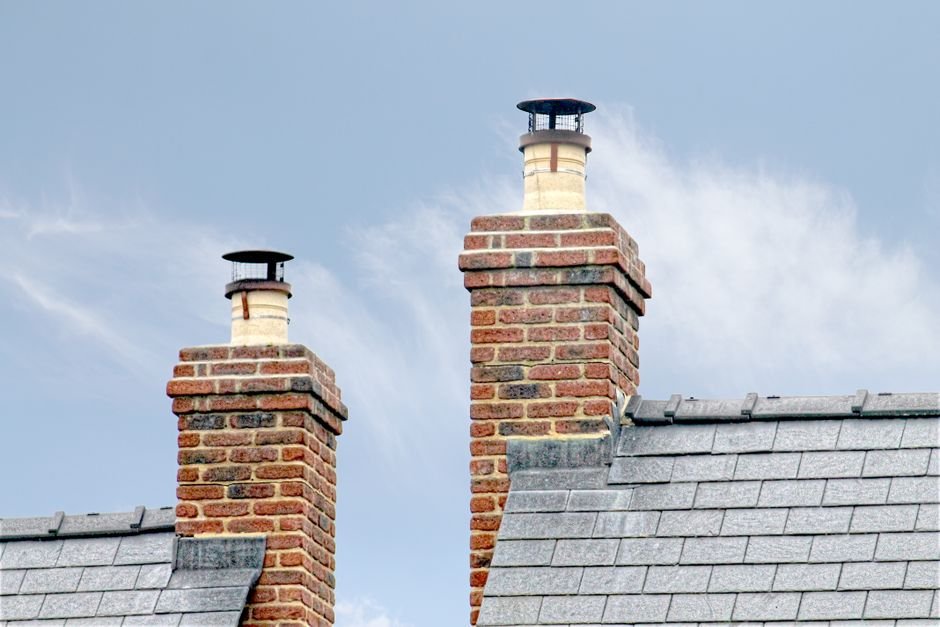
A chimney cap is a protective covering that sits on top of your chimney opening. It’s one of the most important (and often overlooked) parts of your chimney system. Its job is simple but crucial: keep water, animals, and debris out while letting smoke escape safely. If your chimney doesn’t have one, or if yours is damaged or missing, your fireplace and the interior of your chimney are exposed to serious problems.
Think of it this way. Your chimney is an open hole in your roof. Without a cap, it’s basically an invitation for rain, snow, raccoons, birds, and all kinds of unwanted guests. Over time, this exposure causes damage that gets expensive fast.
Why Your Chimney Needs a Cap
Moisture is the biggest threat to your chimney’s health. Every time it rains or snows, water can flow down into your chimney. This water sits inside, soaking into the brick and mortar. Freeze-thaw cycles in New England winters make this worse. The water freezes, expands, and cracks the masonry. Eventually, you’re looking at serious structural damage that affects the whole chimney system.
Animals are another huge problem. Raccoons, squirrels, birds, and bats love chimneys. They see a warm, sheltered space and move right in. Once they’re nesting in your chimney, you’ve got a real mess on your hands. Removing them is expensive and complicated. A chimney cap stops them from ever getting in.
Debris also accumulates in an uncapped chimney. Leaves, twigs, and dirt blow in and block the flue. This reduces your chimney’s ability to draft properly and creates safety hazards when you try to use your fireplace.
What a Chimney Cap Looks Like and How It Works
Most chimney caps are made of metal, usually stainless steel or copper, and sit on top of your chimney. They have a mesh or screen on the sides that allows smoke and gases to escape while blocking larger debris and animals. The cap has a sloped or peaked roof design that sheds water away from the opening.
The cap attaches to the top of your chimney crown (the concrete or stone surface at the very top). It needs to be properly sealed and secured so wind and weather can’t loosen it over time. That’s why professional installation matters. A poorly installed cap won’t do its job effectively.
Different chimneys need different cap styles. The size of your flue opening, the shape of your chimney, and the type of fuel you burn all affect which cap works best for your home. If you’re not sure what your chimney needs, J&A Masonry and Construction MA can assess your chimney and recommend the right cap for your specific setup.
Signs Your Chimney Cap Needs Replacement
Chimney caps don’t last forever. Rust, corrosion, storm damage, or simple wear and tear can compromise the cap. Here are signs it’s time for a replacement.
- Visible rust or corrosion on the cap itself
- Holes, cracks, or dents in the metal
- The cap is loose or tilted
- Debris, leaves, or animal nesting material inside your fireplace
- Water stains inside your chimney or fireplace
- A missing cap (obviously)
If you notice any of these, don’t wait. The longer you ignore a damaged cap, the more water damage accumulates inside your chimney. What starts as a simple cap replacement can become a much bigger (and more expensive) repair job.
How Chimney Cap Installation Works
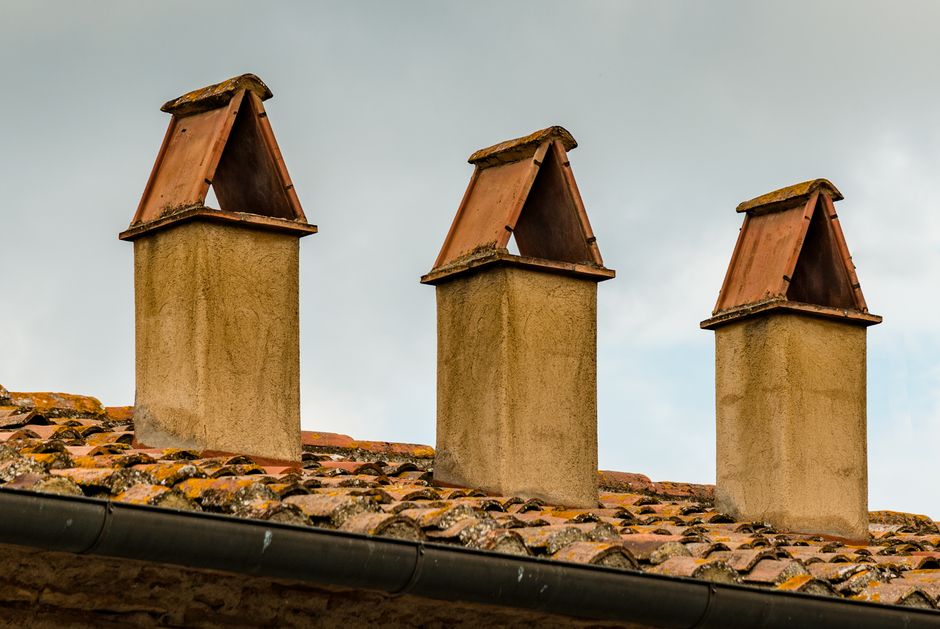
Installing or replacing a chimney cap isn’t a DIY job. It requires working at height on your roof, and the cap has to fit precisely to seal properly and work effectively. A professional contractor will assess your chimney, measure the flue opening, choose the right cap size and style, remove any old cap safely, and install the new one with proper fastening and sealing.
The process usually involves climbing to the roof (safely), inspecting the chimney crown and surrounding area, removing the old cap if one exists, cleaning the top of the chimney, fitting the new cap, and securing it tightly so it won’t shift or loosen. Quality installation means the cap will function properly for years.
When you’re ready to protect your chimney, J&A Masonry and Construction MA handles chimney repairs and improvements throughout the Boston area. Getting a professional assessment is the first step.
Like what you read?
Chimney Cap Materials and Durability
Stainless steel is the most common choice for chimney caps. It resists rust and corrosion well, especially in New England’s harsh climate. Copper is another option, and it lasts a long time, though it’s typically more expensive. Both materials can last 15-20 years or longer with proper installation and maintenance.
The mesh screen in a cap can eventually clog with creosote (a byproduct of burning wood) or debris. Regular chimney cleaning helps prevent this buildup. If you use your fireplace regularly, annual cleaning is a good idea anyway.
A cheap, low-quality cap might save you money upfront, but it won’t seal properly or last as long. It’s worth investing in a good-quality cap installed by a professional. You’re protecting your entire chimney system, your home’s interior, and potentially your safety.
Maintenance and Care
Once your chimney cap is installed, it doesn’t require much maintenance. Visual inspections during routine roof checks are helpful. If you notice damage, contact a professional right away. If you use your fireplace, regular chimney sweeps will help keep the cap and flue clean and functioning properly.
Storm damage is the main thing to watch for. High winds, heavy snow loads, or falling branches can damage a cap. After severe weather, it’s worth taking a quick look at your chimney from a distance (do not go on the roof yourself) to see if anything looks off.
Chimney Cap and Energy Efficiency

A properly installed chimney cap helps your home’s energy efficiency too. Without a cap, warm air can escape up your chimney when it’s not in use. Cold air can also flow down in winter. A cap with proper construction minimizes this unwanted air movement. It’s not a huge energy saver on its own, but it’s one of many small improvements that add up.
When to Call a Professional
You should call a professional if your chimney cap is missing, damaged, loose, or if you haven’t had your chimney inspected in a couple of years. A licensed contractor can evaluate the condition of your entire chimney system, not just the cap. They’ll identify any other issues like damaged mortar, missing brick, or flashing problems that often come with an older or damaged cap. J&A Masonry and Construction MA specializes in chimney repairs and can handle everything from cap replacement to full chimney restoration.
What happens if I don’t have a chimney cap?
Without a cap, water enters your chimney, damaging the brick, mortar, and internal structure over time. Animals nest inside, creating a fire hazard and unpleasant odors. Debris clogs the flue, reducing draft and creating safety issues. Eventually, you’ll need expensive repairs to the chimney itself.
Can I install a chimney cap myself?
It’s not recommended. Installation requires working safely at height on your roof, measuring accurately, and ensuring the cap seals properly. A poorly installed cap won’t protect your chimney effectively. A professional does this work safely and correctly.
How much does a chimney cap cost?
Costs vary based on the cap style, your chimney’s size, and your location. Contact a local contractor for a quote. What matters most is choosing a quality cap and having it installed correctly so it lasts and does its job.
How often should I replace my chimney cap?
A good-quality cap lasts 15-20 years or more. Inspect it annually, especially after storms. If you notice rust, damage, or the cap is loose, replace it sooner. Regular chimney cleaning also keeps the cap functioning well.
Like what you read?