
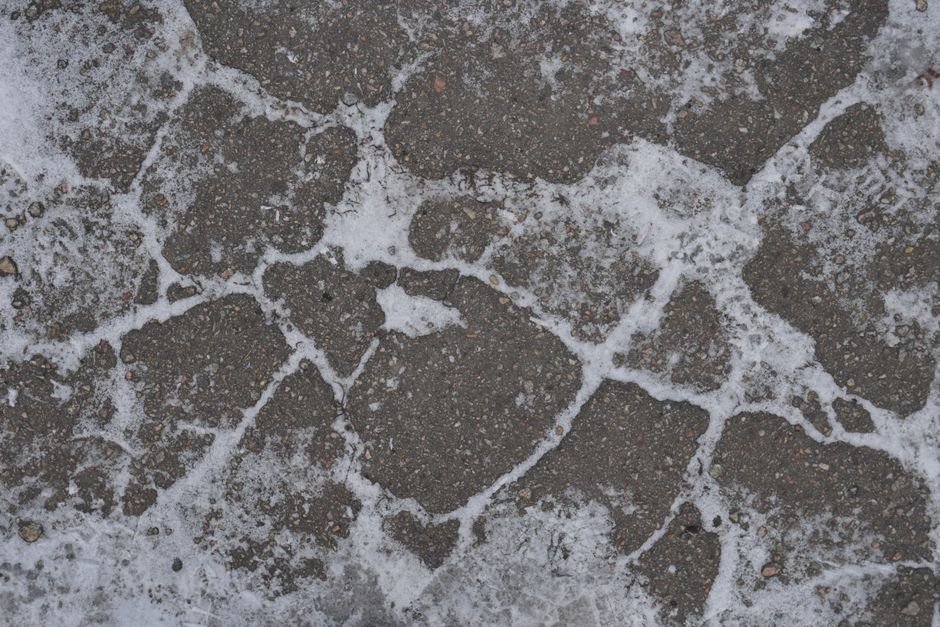
If you’re planning a patio, walkway, or driveway in Boston, freeze thaw resistant pavers aren’t optional—they’re essential. Winter in New England cycles through freezing and thawing constantly, and that movement breaks down poor-quality pavers fast. The good news is that choosing the right material and installing it correctly means your outdoor space will look great for decades, not years.
The secret to freeze thaw resistant pavers Boston homeowners should rely on comes down to three things: material density, proper drainage, and a solid base system. Let’s walk through each.
Material Density Is the Foundation
The most critical factor in freeze thaw resistant pavers is how dense the material is. Dense materials don’t absorb as much water, and water absorption is what kills pavers in winter. When water gets into a porous paver and then freezes, it expands. That expansion cracks and spalls the paver from the inside out.
The best options for Boston winters include:
- Dense natural stone: Bluestone, granite, and dense slate are excellent choices. They’re naturally hard and resist water penetration. Bluestone is especially popular in New England because it’s been holding up to our winters for generations.
- High-quality engineered concrete pavers: Not all concrete pavers are created equal. Look for pavers that are manufactured to high density standards and meet ASTM C1782, which is the specification for freeze-thaw resistant pavers in cold climates. These engineered pavers are compressed during manufacturing, making them much denser than standard options.
Avoid soft, porous materials or lower-grade pavers. They might cost less upfront, but they’ll fail within a few winters. You’re better off investing in quality now.
Drainage Is Your Second Line of Defense
Even with dense materials, water can still get underneath your pavers if drainage is poor. Standing water beneath pavers freezes and expands, pushing pavers up and creating an unstable, uneven surface. Proper drainage prevents water from pooling and reduces the number of freeze-thaw cycles your pavers experience.
Good drainage means:
- Sloping the paver surface slightly so water runs off to the sides.
- Installing edge drains or permeable borders that direct water away from the paver area.
- Using permeable paving materials or gaps designed to let water through instead of pooling on the surface.
If you have an existing patio or walkway that’s holding water or showing frost heave (pavers pushing up), drainage is often the culprit. J&A Masonry and Construction MA can assess your site and recommend drainage solutions that fit your space.
Like what you read?
Related: Patio Pavers Installation: Step-by-Step Guide
The Base System Matters More Than You Think
The layer underneath your pavers is just as important as the pavers themselves. A well-designed base system manages moisture, provides structural support, and allows for the natural movement that happens during freeze-thaw cycles without causing pavers to shift or settle unevenly.
A proper engineered paver base typically includes:
- Compacted subgrade: The soil underneath needs to be properly graded and compacted to prevent settling and ground heave.
- Geotextile fabric: This barrier prevents soil from mixing with the base material and helps with drainage management.
- Specialized underlayment: Many professional installations use engineered base systems designed specifically for cold climates. These materials adapt to freeze-thaw movement and stabilize pavers, reducing shifting.
- Proper depth: Boston’s frost line goes down about 3.5 feet, so a base system that accounts for this depth prevents frost heave from pushing pavers up.
This might sound like a lot of detail, but it’s the difference between a patio that looks great in year five and one that’s buckled and broken. Installation technique directly impacts how long your pavers last through our winters.
Winter Movement Prevention

Even with the best materials and base, pavers will move slightly during freeze-thaw cycles. The key is controlling that movement so it doesn’t cause visible damage or safety issues.
Here’s what prevents problem movement:
- Edge restraints: Pavers on the edges of your walkway or patio need proper restraints (usually steel or plastic borders) to prevent them from shifting outward as the soil beneath expands and contracts.
- Sand or polymeric jointing: The sand between pavers should be compacted properly. Many professionals use polymeric sand, which locks together when wet and resists frost heave better than standard sand.
- Full bedding: Pavers need to sit on a complete, level bed of sand or setting material—not just at the corners. Gaps underneath create stress points where ice can form and damage pavers.
Installation matters. A patio that’s rushed won’t hold up like one that’s done right.
Related: Asphalt Paving Driveway Boston: Complete Guide
How to Choose Freeze Thaw Resistant Pavers for Your Boston Home
When you’re shopping for materials or getting quotes, here’s what to look for:
- Ask about material certification: If the pavers are engineered concrete, confirm they meet ASTM C1782 standards for freeze-thaw resistance.
- Check absorption rates: Less is better. Ask your contractor what the water absorption rate is for the specific pavers you’re considering.
- Verify the base design: Don’t just ask “what’s the base?” Ask how they account for Boston’s frost line, drainage, and freeze-thaw movement.
- Look at local examples: Ask your contractor to show you installations they’ve done in Boston area homes over the past several winters. If those patios are holding up, that’s a good sign.
If you’re ready to move forward with a new patio or walkway, J&A Masonry and Construction MA can evaluate your site, recommend the best freeze thaw resistant pavers for your climate, and handle installation with the detail it requires.
Common Questions About Freeze Thaw Resistant Pavers
Do all pavers fail in Boston winters?
No. Quality, dense pavers with proper installation last for decades. The pavers that fail are usually lower-grade materials installed with poor drainage or shallow base systems. Invest in good material and proper installation, and your pavers will handle New England winters fine.
Can I use cheaper pavers if I have really good drainage?
Drainage helps, but it’s not a substitute for material quality. Cheap, porous pavers will still absorb water and fail when it freezes, even with great drainage above them. You need both good material and good installation.
How deep does the base need to be for Boston?
Boston’s frost line is approximately 3.5 feet deep, but your paver base doesn’t need to go that deep. A typical engineered base for patios and walkways is 4 to 6 inches, designed to manage water and movement at the surface level. Driveways often need deeper bases depending on soil conditions and expected vehicle weight. Your contractor should assess your specific site.
What’s the difference between regular sand and polymeric sand for paver joints?
Regular sand can wash out and shift, especially in freeze-thaw cycles. Polymeric sand contains additives that lock the sand together when wet, creating a more stable joint that resists frost heave and water penetration better. It costs a bit more but pays for itself in durability.
Like what you read?
One thought on “Freeze Thaw Resistant Pavers Boston: What to Choose”